To take a screenshot on Windows 10, press Windows + Shift + S, then drag to select the area you want. The screenshot is copied to your clipboard, so you can paste it with Ctrl + V. To save the whole screen as a file right away, press Windows + Print Screen. It goes to Pictures > Screenshots.
Applies to: Windows 10 desktops and laptops. Checked against Microsoft Support on September 24, 2026.
Every screenshot shortcut
| Shortcut | What it captures | Where it goes |
|---|---|---|
| Windows + Shift + S | An area, a window, or the full screen | Clipboard |
| Print Screen (PrtSc) | The full screen | Clipboard |
| Windows + Print Screen | The full screen | Pictures > Screenshots |
| Alt + Print Screen | The active window | Clipboard |
| Windows + Alt + Print Screen | The active window | Videos > Captures |
Capture part of the screen
- Press Windows + Shift + S. The screen dims and a small toolbar appears at the top.
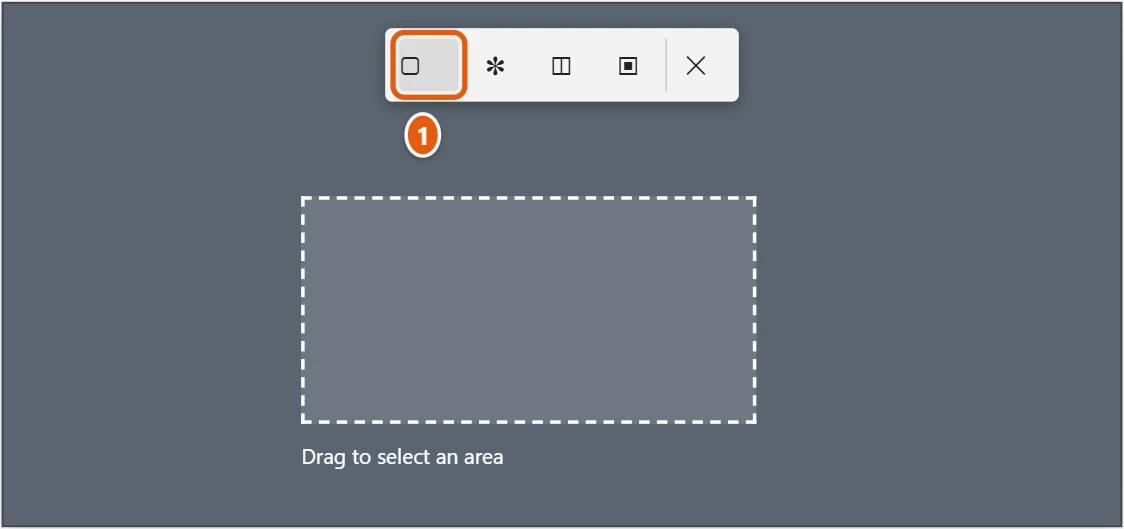
- Choose Rectangular, Freeform, Window, or Fullscreen snip.
- Drag to select the area. The screenshot is copied.
- Select the notification that appears to open it in Snip & Sketch, where you can crop, draw on it, and save it.
Save the whole screen as a file
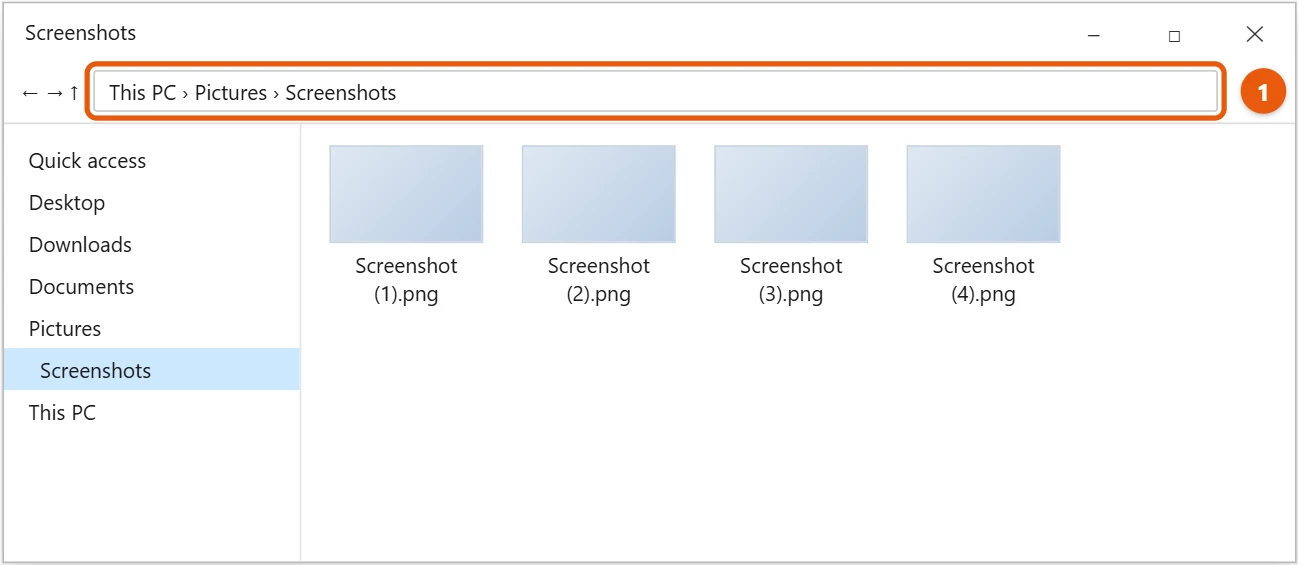
Press Windows + Print Screen. The screen dims for a moment. Open File Explorer and go to Pictures > Screenshots to find it.
Take a screenshot on a laptop
Many laptops share the Print Screen key with another key. If pressing it does nothing:
- Press Fn + Print Screen, or Fn + Windows + Print Screen to save a file.
- Look for PrtSc, PrtScn, or Prt Sc on the key, often on the top row or next to the right Alt key.
- If your laptop has no Print Screen key, use Windows + Shift + S.
Use the Snipping Tool app
Search Start for Snipping Tool and open it. Select Mode to choose the snip type, or Delay to wait a few seconds before capturing, which helps with menus that close when you click away.
After a clipboard screenshot, paste it with Ctrl + V into an email, chat, Word, or Paint. To save it as a file, paste it into Paint and select File > Save as.
If screenshots don’t work
- Nothing happens: check that Fn Lock isn’t changing the key, or try Fn + Print Screen.
- Print Screen opens Snip & Sketch: that’s a setting. Go to Settings > Ease of Access > Keyboard and turn off Use the PrtScn button to open screen snipping if you want the old behavior.
- A cloud app grabs the key: OneDrive or Dropbox can take over Print Screen. Check their settings.
Frequently asked questions
Where do screenshots go on Windows 10?
Windows + Print Screen saves to Pictures > Screenshots. Other shortcuts copy to the clipboard only, until you paste and save.
How do I screenshot a scrolling page?
Windows 10 can’t do this on its own. In Microsoft Edge, select Web capture from the … menu to capture a full page.
Can I record my screen instead?
Yes. See how to record your screen in Windows 10.
Screenshots you take with Print Screen go to the clipboard. To paste an older one, see how to open the clipboard in Windows 10.
To put two windows side by side before you capture them, see how to split screen in Windows 10.
To capture a whole web page, see how to take a scrolling screenshot in Windows 10.
To save screenshots to a different folder, see how to change where screenshots are saved in Windows 10.
To draw or write on a screenshot, see how to draw on your screen in Windows 10.
Microsoft’s guide is Use Snipping Tool to capture screenshots. More help is on our Windows Help & Guides page.
How do I screenshot just one window?
Click the window to make it active, then press Alt + Print Screen. Only that window is copied to the clipboard, without the taskbar or other windows. Paste it with Ctrl + V.
Can I take a screenshot with a delay?
Yes. Open Snip & Sketch or Snipping Tool, select the arrow next to New, and choose a 3- or 10-second delay. That gives you time to open a menu before the capture.

Matt Jacobs has been working as an IT consultant for small businesses since receiving his Master’s degree in 2003. While he still does some consulting work, his primary focus now is on creating technology support content for SupportYourTech.com.
His work can be found on many websites and focuses on topics such as Microsoft Office, Apple devices, Android devices, Photoshop, and more.