The easiest way is Microsoft Store: open it, search for the app, and select Get or Install. For programs that aren’t in the Store, download the installer from the maker’s official website, open the file from your Downloads folder, and follow the steps.
Applies to: Windows 11. Checked against Microsoft Support on September 29, 2026.
Install from Microsoft Store
Store apps are checked by Microsoft and update by themselves.
- Select Start and open Microsoft Store.
- Search for the app by name.
- Open the app’s page and select Get (free) or the price (paid).
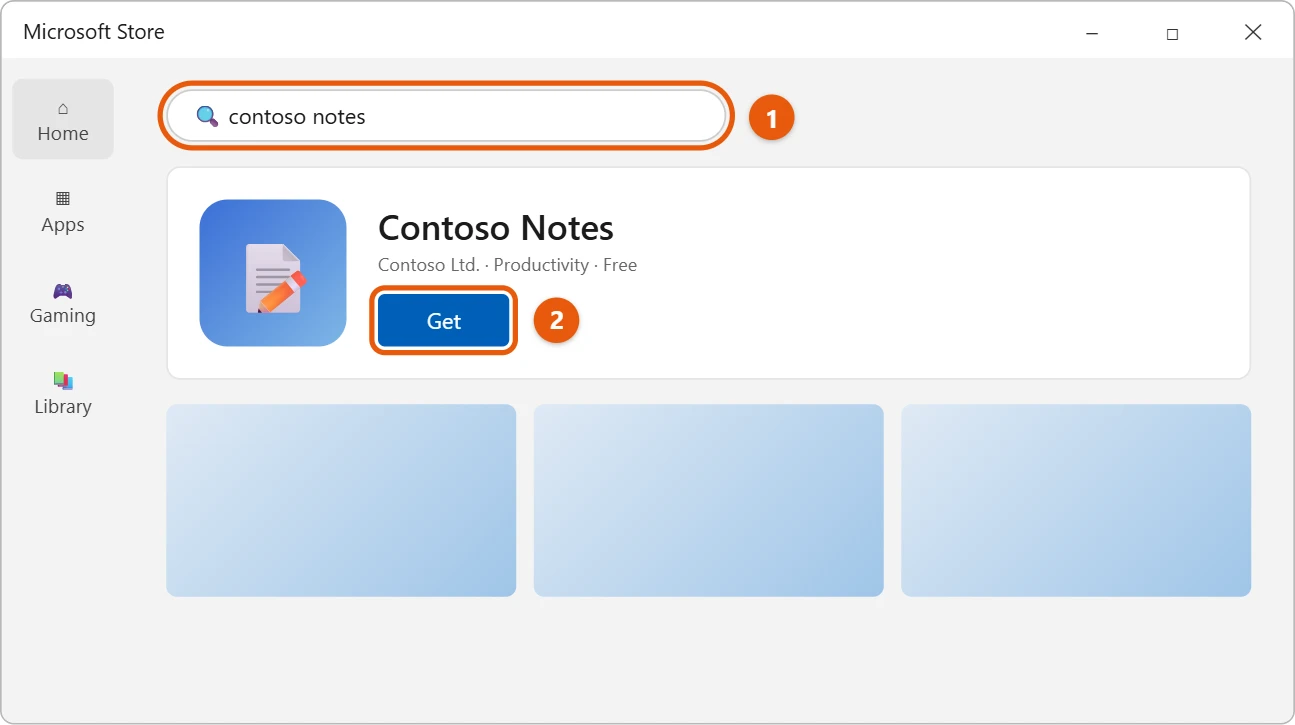
- When it’s done, select Open, or find the app in the Start menu.
Install from a website
- Go to the program’s official website. Avoid download sites that bundle extra software.
- Select the download button for Windows.
- When the download finishes, select Open file in the downloads list, or open it from your Downloads folder.
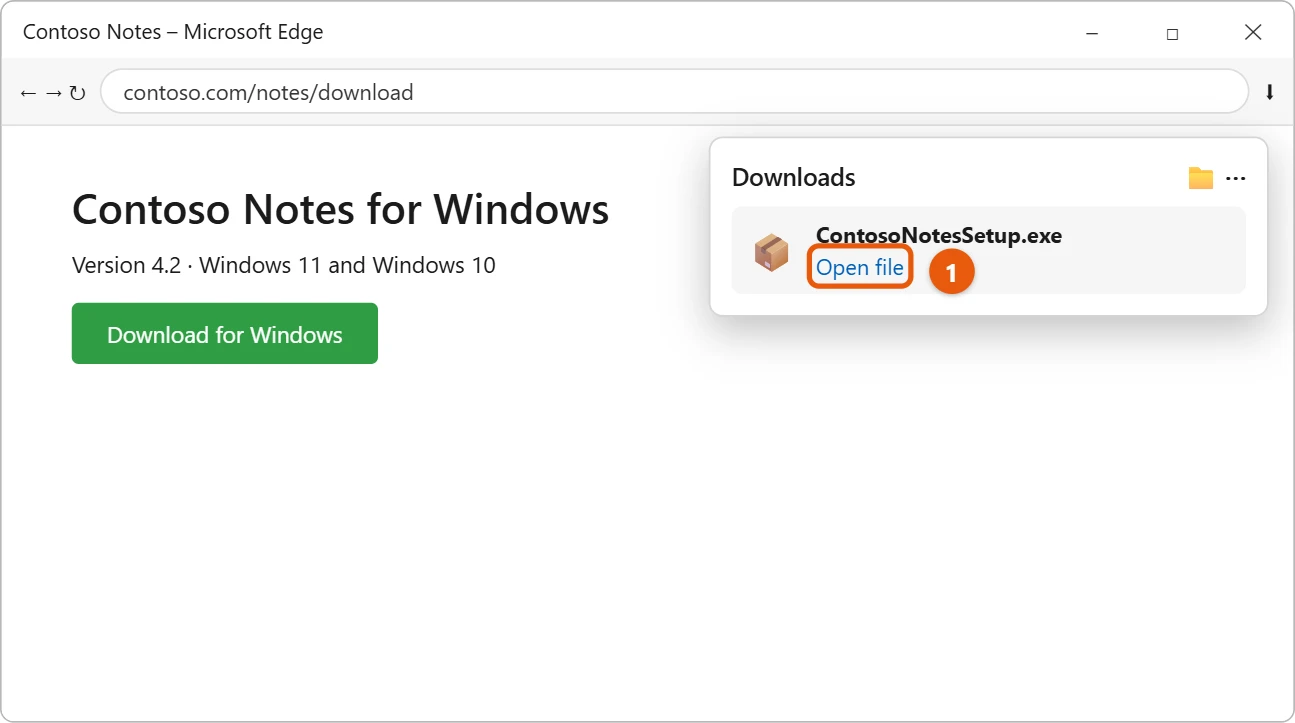
- Follow the installer’s steps. Read each screen and uncheck any extra offers you don’t want.
- When it’s finished, find the program in the Start menu.
If Windows asks whether you want to allow the app to make changes, select Yes only if you trust where it came from. On a work or school PC, you may need your IT team to install programs.
If Windows blocks the program
You might see a message that Windows protected your PC or that the app isn’t from Microsoft Store. This is a safety check. Only continue if you’re sure the file came from the program’s real maker.
Install with one command
Windows 11 includes winget, a command-line installer that downloads apps from their official sources. Open Terminal and search for an app, then install it using the ID it shows:
winget search vlc
winget install --id VideoLAN.VLC
It’s handy when setting up a new PC, because you can install several apps without visiting each website. winget upgrade --all updates everything it knows about.
Microsoft Store or website: which is better?
Use the Microsoft Store when the app is there. Store apps are checked by Microsoft, update automatically, and uninstall cleanly. Many popular programs, such as Spotify, Zoom, and VLC, are in the Store. Download from a website when the Store version is missing, out of date, or limited compared with the full program, and always use the maker’s own site.
If the program won’t install
- “The app you’re trying to install isn’t a Microsoft-verified app.” Windows is set to allow only Store apps. Go to Settings > Apps > Advanced app settings and set Choose where to get apps to Anywhere.
- Only Store apps work at all. Your PC may be in S mode. Check Settings > System > Activation. You can switch out of S mode for free from the Microsoft Store, but you can’t switch back.
- Smart App Control blocked it. On some new PCs, this feature blocks apps it can’t verify. You’ll see its name in the message. Its settings are in Windows Security > App & browser control.
- The installer closes or shows an error. Right-click it and choose Run as administrator, make sure there’s free space on C:, and check you downloaded the right version (most PCs need the x64 version; Snapdragon laptops need ARM64).
Frequently asked questions
How do I remove a program I don’t need?
See how to uninstall a program in Windows 11.
Where did my program install?
Most programs appear in Start > All apps. Their files usually go in the Program Files folder, and you don’t need to open it. On an older PC, see how to install apps and software in Windows 10.
Can I install Android apps on Windows 11?
Not anymore through Microsoft. The Windows Subsystem for Android and the Amazon Appstore were discontinued in 2025, so Android apps can no longer be installed from the Microsoft Store.
Do I need to restart after installing?
Usually not. Most programs are ready as soon as the installer finishes. Drivers, antivirus software, and some large suites ask for a restart, and it’s best to do it straight away so they work properly.
Microsoft’s reference is How to install programs from online sources on Windows. More help is on our Windows Help & Guides page.
Related: switch out of S mode in Windows 11.

Matt Jacobs has been working as an IT consultant for small businesses since receiving his Master’s degree in 2003. While he still does some consulting work, his primary focus now is on creating technology support content for SupportYourTech.com.
His work can be found on many websites and focuses on topics such as Microsoft Office, Apple devices, Android devices, Photoshop, and more.